Mèdol Quarry<p style="text-align: justify;"><strong>The Mèdol quarry</strong> was the main source of stone for the great constructions of Tarraco in Roman times. Its most emblematic element is the Clot, a large cavity about 200 meters long and 20 meters deep, marked by the central needle that indicates the ancient extraction level. <strong>The Mèdol stone</strong>, easy to work, was used in important buildings such as the wall, the theater, the circus, the amphitheater and the provincial forum. There is abundant evidence of the exploitation techniques and organization of work.</p> <p style="text-align: justify;">After ancient abandonment, the site aroused interest especially from the 19th century, when it was valued as a natural landscape and archaeological heritage. In the 20th century, several cultural initiatives were proposed and protection and restoration actions were undertaken, with itineraries and visitor spaces. The 2010 fire revealed new extraction fronts. Today, declared a Historical-Artistic Monument, BCIN and UNESCO World Heritage Site, Mèdol is an archaeological and geological site of great relevance within the whole of Tarraco.</p>https://rutes-content.tarragona.cat/en/pedra-de-medolhttps://rutes-content.tarragona.cat/@@site-logo/logo_aj_tgna.png
Mèdol Quarry
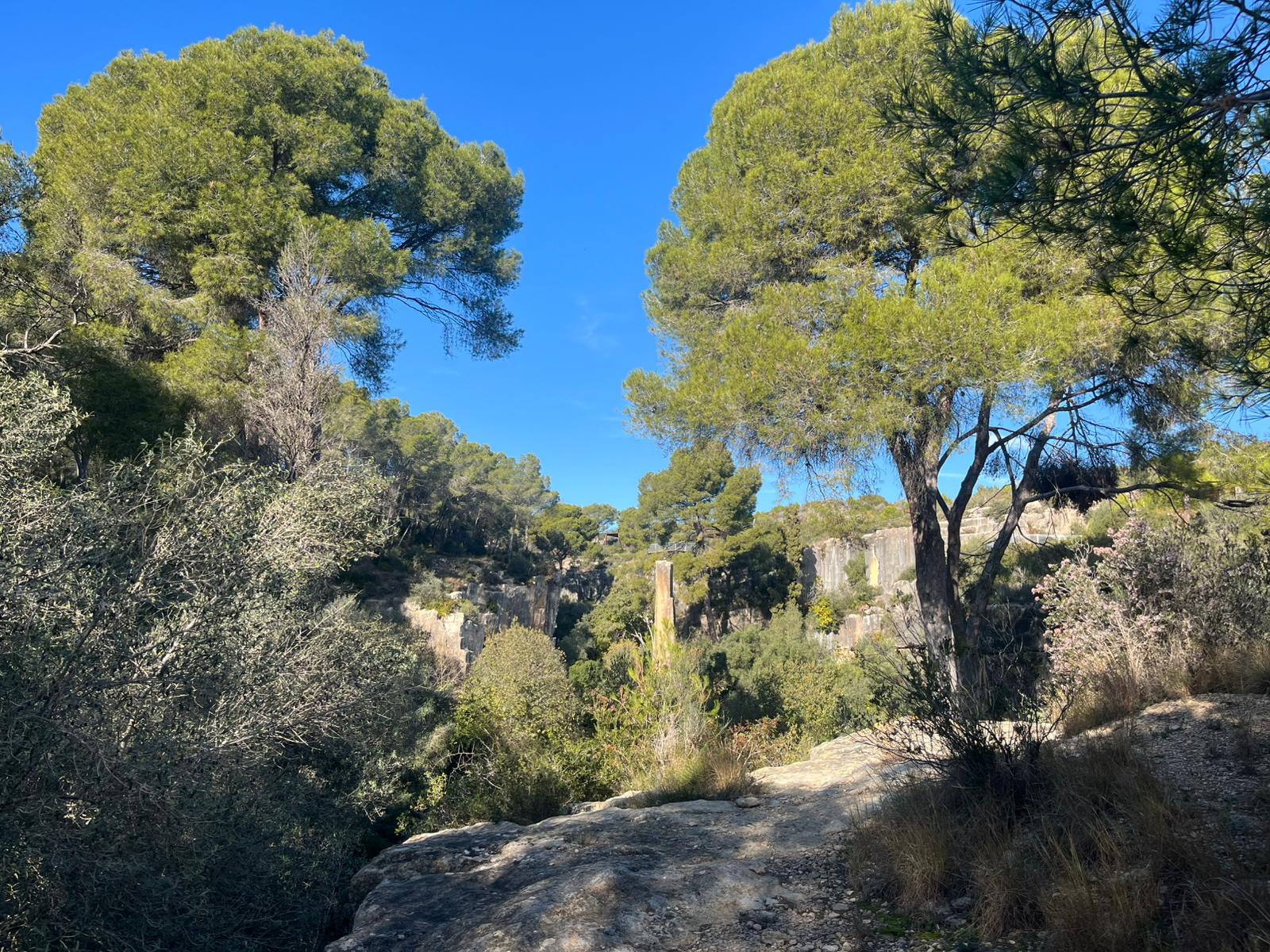
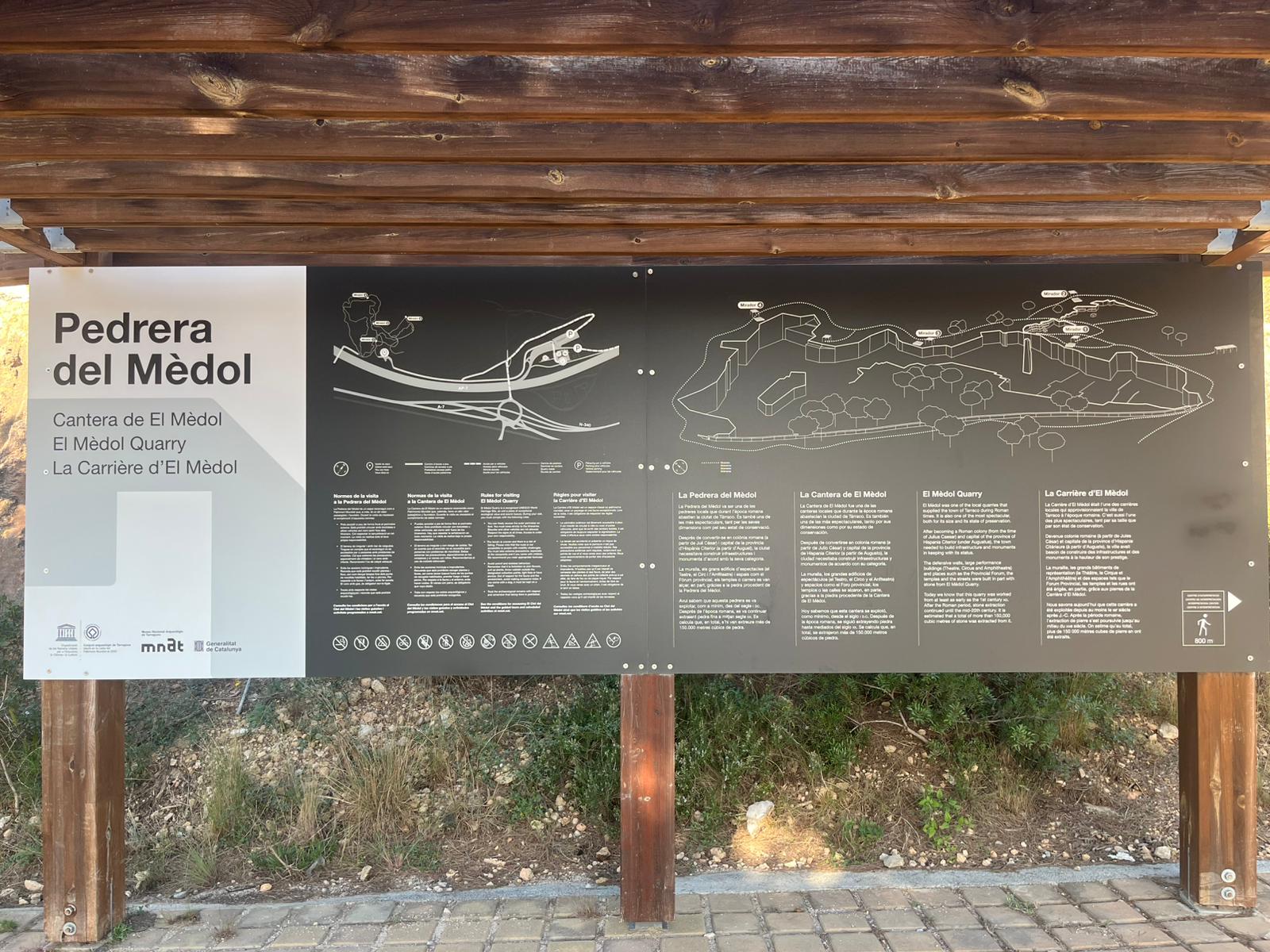
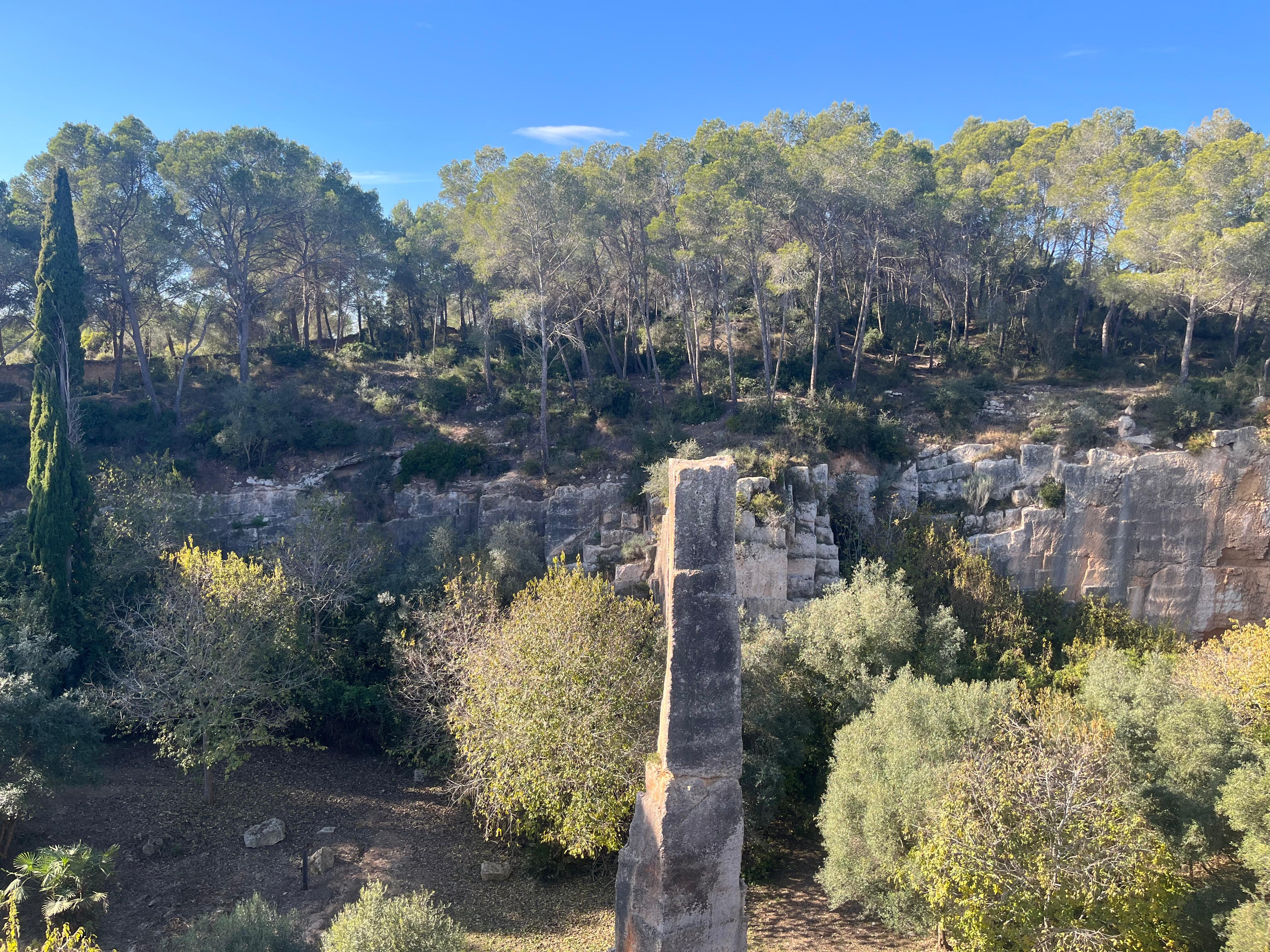
<p style="text-align: justify;"><strong>The Mèdol quarry</strong> was the main source of stone for the great constructions of Tarraco in Roman times. Its most emblematic element is the Clot, a large cavity about 200 meters long and 20 meters deep, marked by the central needle that indicates the ancient extraction level. <strong>The Mèdol stone</strong>, easy to work, was used in important buildings such as the wall, the theater, the circus, the amphitheater and the provincial forum. There is abundant evidence of the exploitation techniques and organization of work.</p> <p style="text-align: justify;">After ancient abandonment, the site aroused interest especially from the 19th century, when it was valued as a natural landscape and archaeological heritage. In the 20th century, several cultural initiatives were proposed and protection and restoration actions were undertaken, with itineraries and visitor spaces. The 2010 fire revealed new extraction fronts. Today, declared a Historical-Artistic Monument, BCIN and UNESCO World Heritage Site, Mèdol is an archaeological and geological site of great relevance within the whole of Tarraco.</p>

 pedra medol.jpg
—
JPEG image,
496 KB
pedra medol.jpg
—
JPEG image,
496 KB