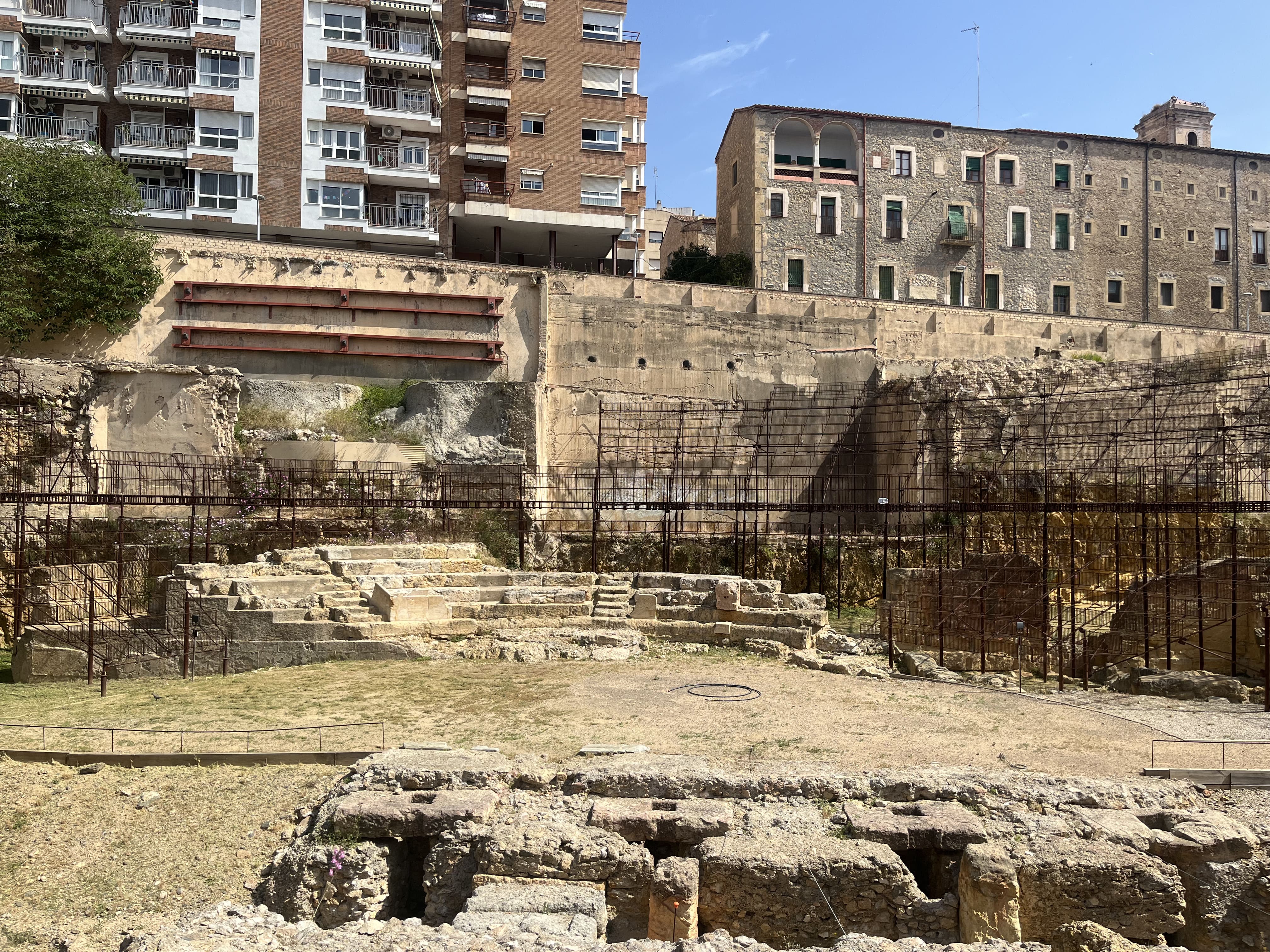
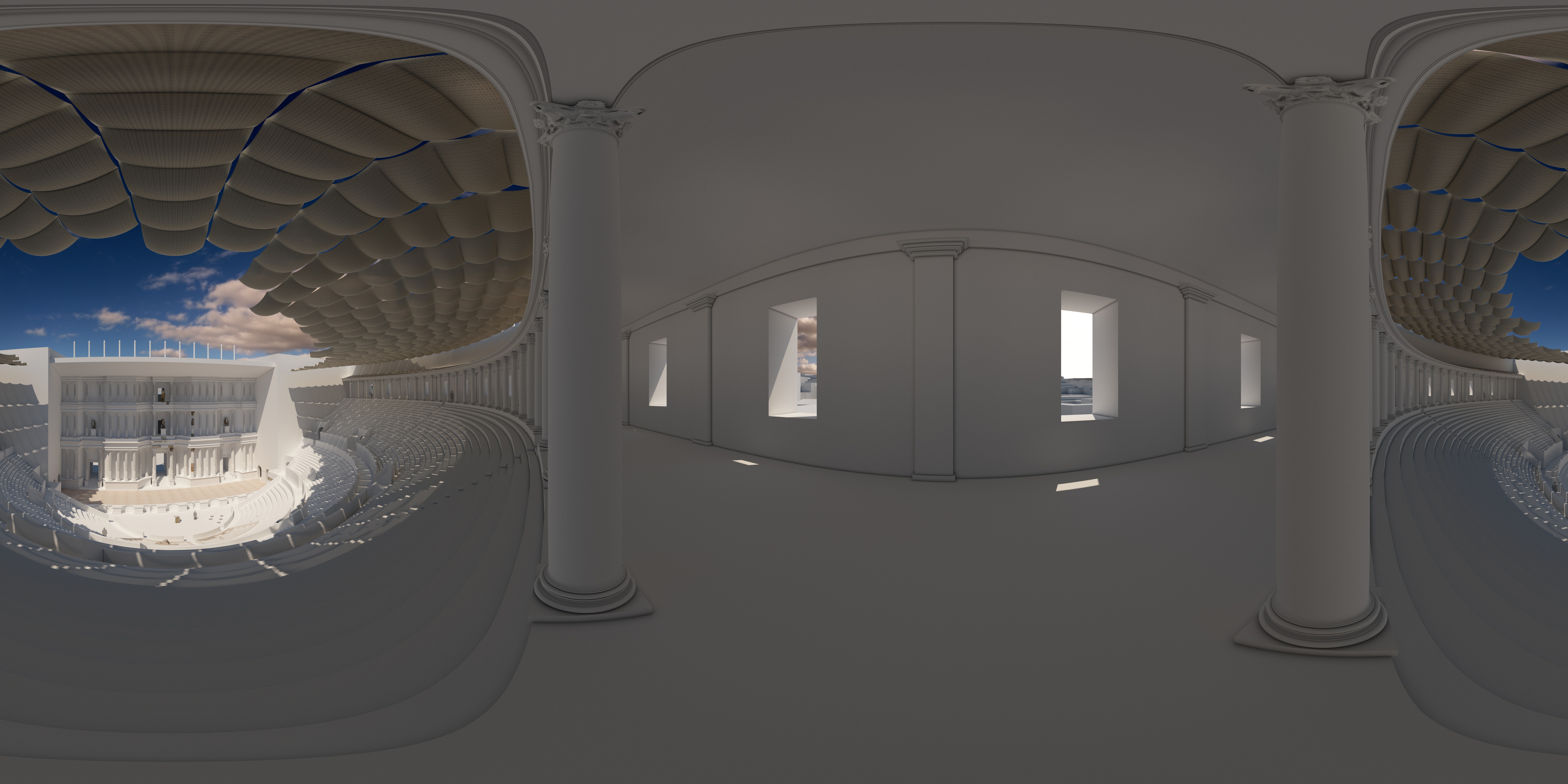
Roman Theater<p>Built during the time of Emperor <strong>Augustus</strong> (1st century BC), the <strong>Roman Theatre</strong> stands in the harbor area, utilizing the natural slope of the ground for its seating (<em>cavea</em>). Beyond entertainment, the theatre served as a stage for <strong>political propaganda</strong>, where the imperial figure was exalted through magnificent statuary. Despite severe industrial degradation in the area over time, the surviving remains of the <em>orchestra</em> and <em>proscaenium</em> demonstrate its urban connection with the <strong>Colonial Forum</strong>. It was a venue for tragedies, comedies, and popular <strong>pantomimes</strong>, acting as a link between the emperor and the local elites in a city rising as a provincial capital.</p>https://rutes-content.tarragona.cat/en/teatre-romahttps://rutes-content.tarragona.cat/@@site-logo/logo_aj_tgna.png
Roman Theater
<p>Built during the time of Emperor <strong>Augustus</strong> (1st century BC), the <strong>Roman Theatre</strong> stands in the harbor area, utilizing the natural slope of the ground for its seating (<em>cavea</em>). Beyond entertainment, the theatre served as a stage for <strong>political propaganda</strong>, where the imperial figure was exalted through magnificent statuary. Despite severe industrial degradation in the area over time, the surviving remains of the <em>orchestra</em> and <em>proscaenium</em> demonstrate its urban connection with the <strong>Colonial Forum</strong>. It was a venue for tragedies, comedies, and popular <strong>pantomimes</strong>, acting as a link between the emperor and the local elites in a city rising as a provincial capital.</p>