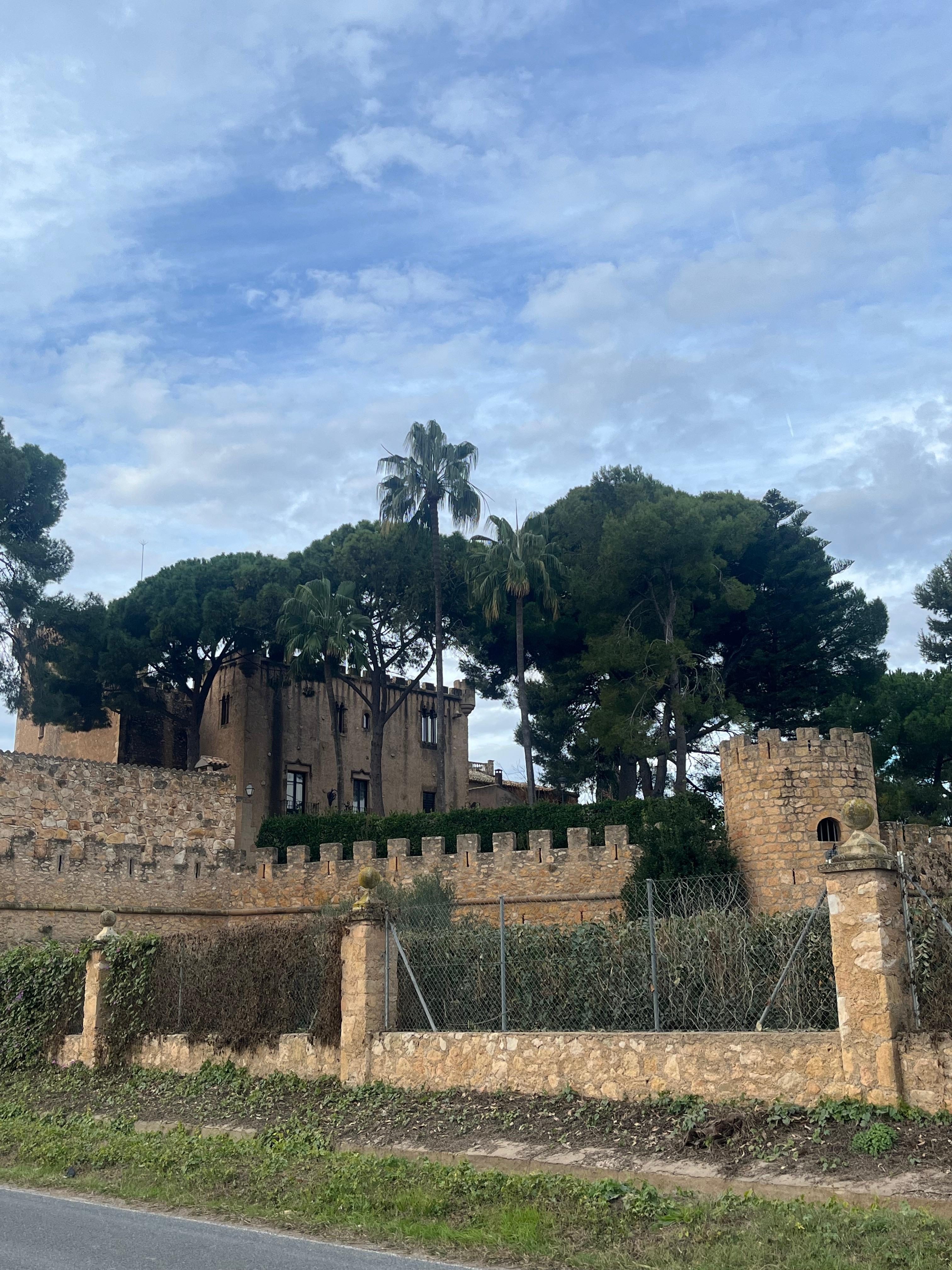
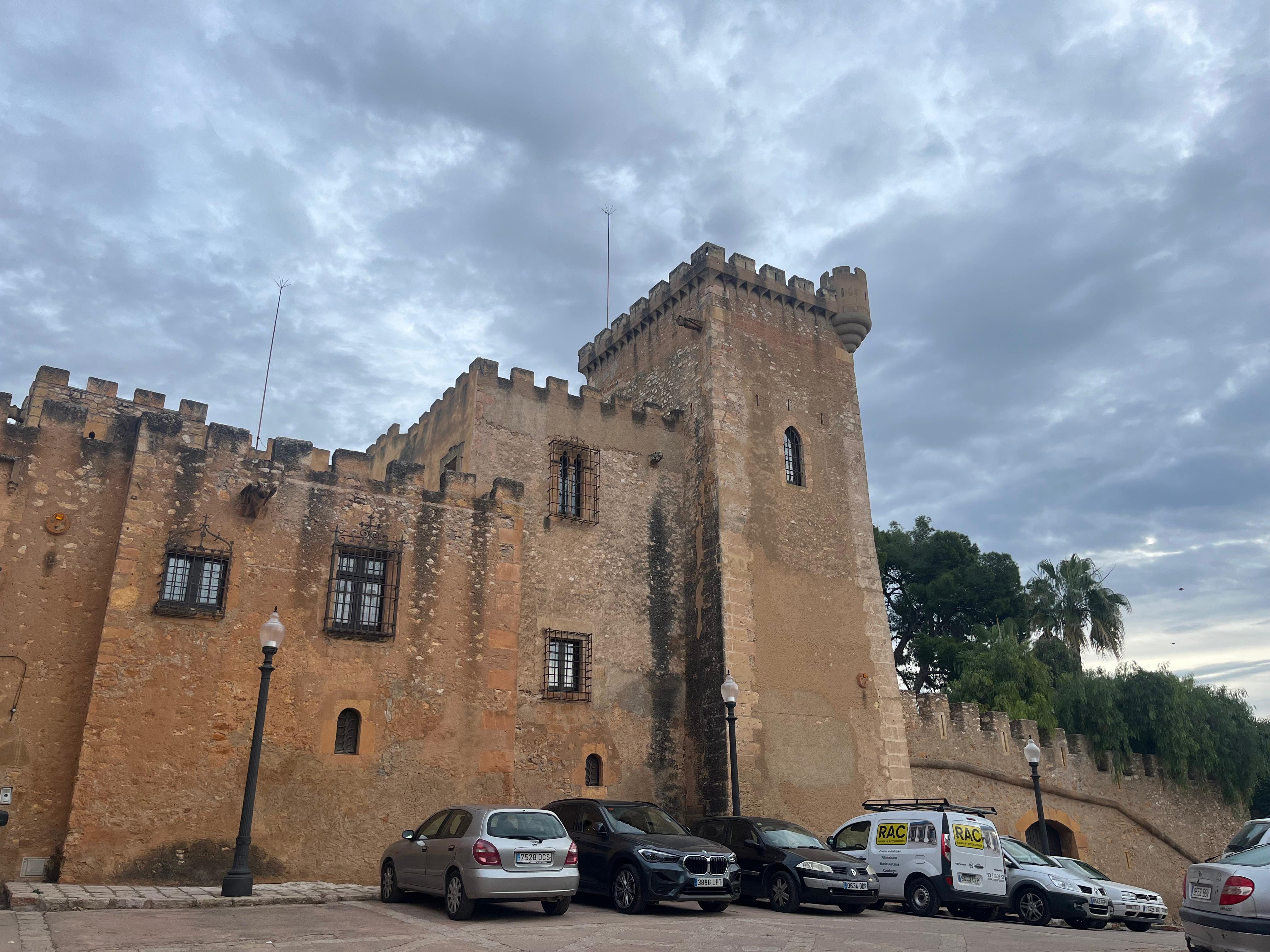
Ferran Castle<p style="text-align: justify;"><strong>Ferran Castle,</strong> located between Tamarit and Altafulla, stands on a hill on the banks of the Gaià River, visually dominating the territory. Its origins date back to approximately the 11th century, in the context of the feudal expansion of the Catalan counties. The first documents from the 12th and 13th centuries link it to noble families and later to the Archbishopric of Tarragona, although its specific defensive function is not clearly determined.</p> <p style="text-align: justify;">The current building reflects several construction phases with Romanesque, Gothic and Renaissance elements, formed by a main body with a square tower, smaller towers, a battlement, loopholes and annexes, which during the Modern Age was transformed into the stately residence of the Montserrat family, Marquises of Tamarit. Despite the reforms, it retains its historical profile within the cultural landscape of the Camp de Tarragona, showing the evolution of a medieval fortification towards a residential and representative use. Declared a Cultural Asset of National Interest since 1949, it is today private property, maintaining its function as a home, but with visibility from the public road and the rural center.</p>https://rutes-content.tarragona.cat/en/castell-de-ferranhttps://rutes-content.tarragona.cat/@@site-logo/logo_aj_tgna.png
Ferran Castle
<p style="text-align: justify;"><strong>Ferran Castle,</strong> located between Tamarit and Altafulla, stands on a hill on the banks of the Gaià River, visually dominating the territory. Its origins date back to approximately the 11th century, in the context of the feudal expansion of the Catalan counties. The first documents from the 12th and 13th centuries link it to noble families and later to the Archbishopric of Tarragona, although its specific defensive function is not clearly determined.</p> <p style="text-align: justify;">The current building reflects several construction phases with Romanesque, Gothic and Renaissance elements, formed by a main body with a square tower, smaller towers, a battlement, loopholes and annexes, which during the Modern Age was transformed into the stately residence of the Montserrat family, Marquises of Tamarit. Despite the reforms, it retains its historical profile within the cultural landscape of the Camp de Tarragona, showing the evolution of a medieval fortification towards a residential and representative use. Declared a Cultural Asset of National Interest since 1949, it is today private property, maintaining its function as a home, but with visibility from the public road and the rural center.</p>

 castell ferran.jpg
—
JPEG image,
1.50 MB
castell ferran.jpg
—
JPEG image,
1.50 MB